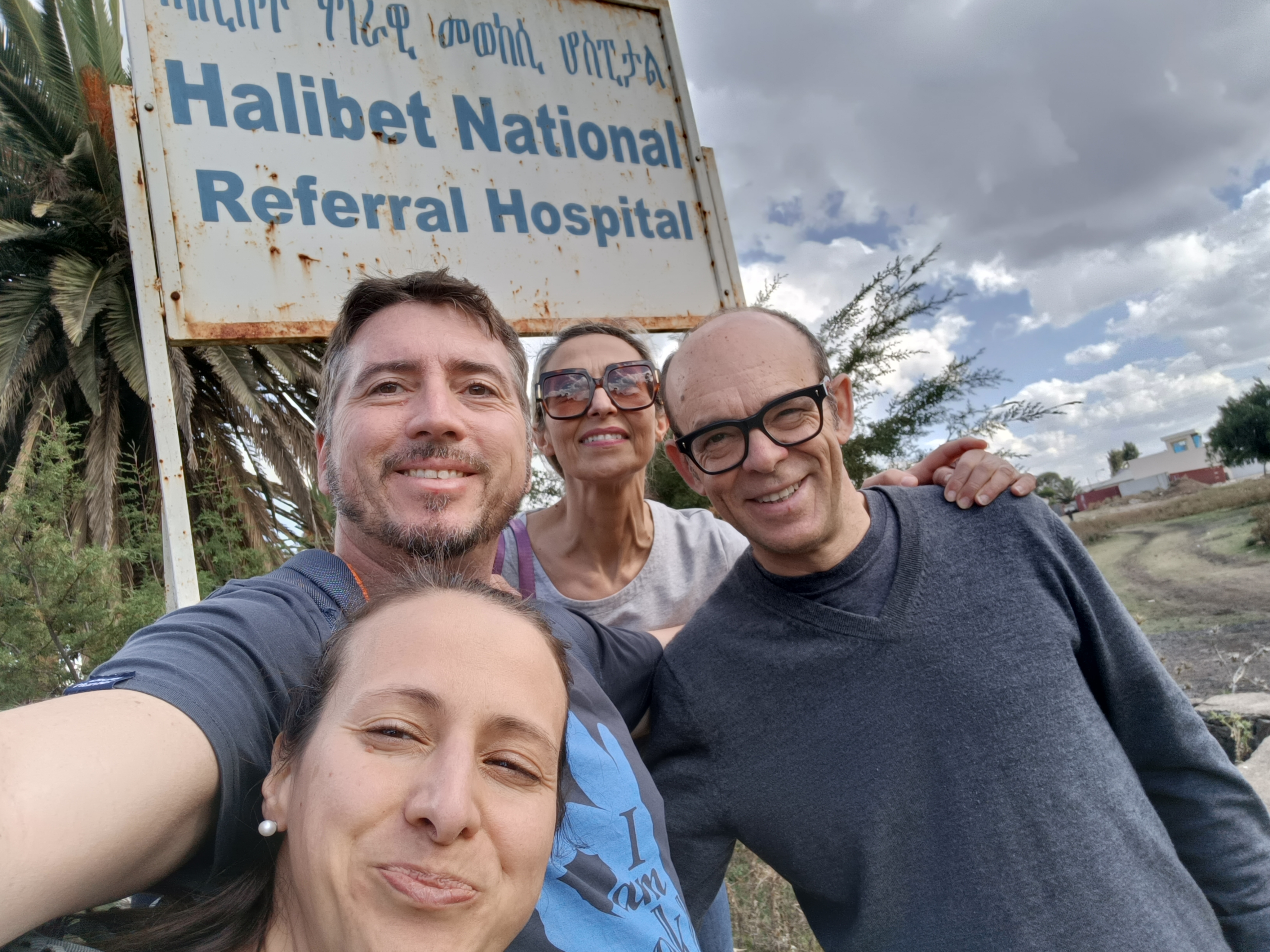
It was my forty-ninth birthday. I was sitting somewhere quiet, and the thought arrived uninvited: next year I turn fifty. I didn't want a party. I didn't want a celebration of the conventional kind. I wanted something I could actually look back on. Something that answered the question I found myself asking: what, in these forty-nine years, is worth celebrating?
The answer came quickly. My work as a surgeon. The children. The families. The operating room. That is what I had built. So the question became: how do I honour that?
I decided to give myself the gift I had always wanted but never made time for — to take my hands and my knowledge somewhere they were truly needed.
That same evening, on my birthday, I opened a browser and searched. And in the particular way that meaningful things sometimes announce themselves at exactly the right moment, I found it: a project by Annulliamo la Distanza, a surgical and teaching mission to Eritrea, in paediatric orthopaedics — my exact field — about to depart. I called them the same day.
What I expected. What I found.
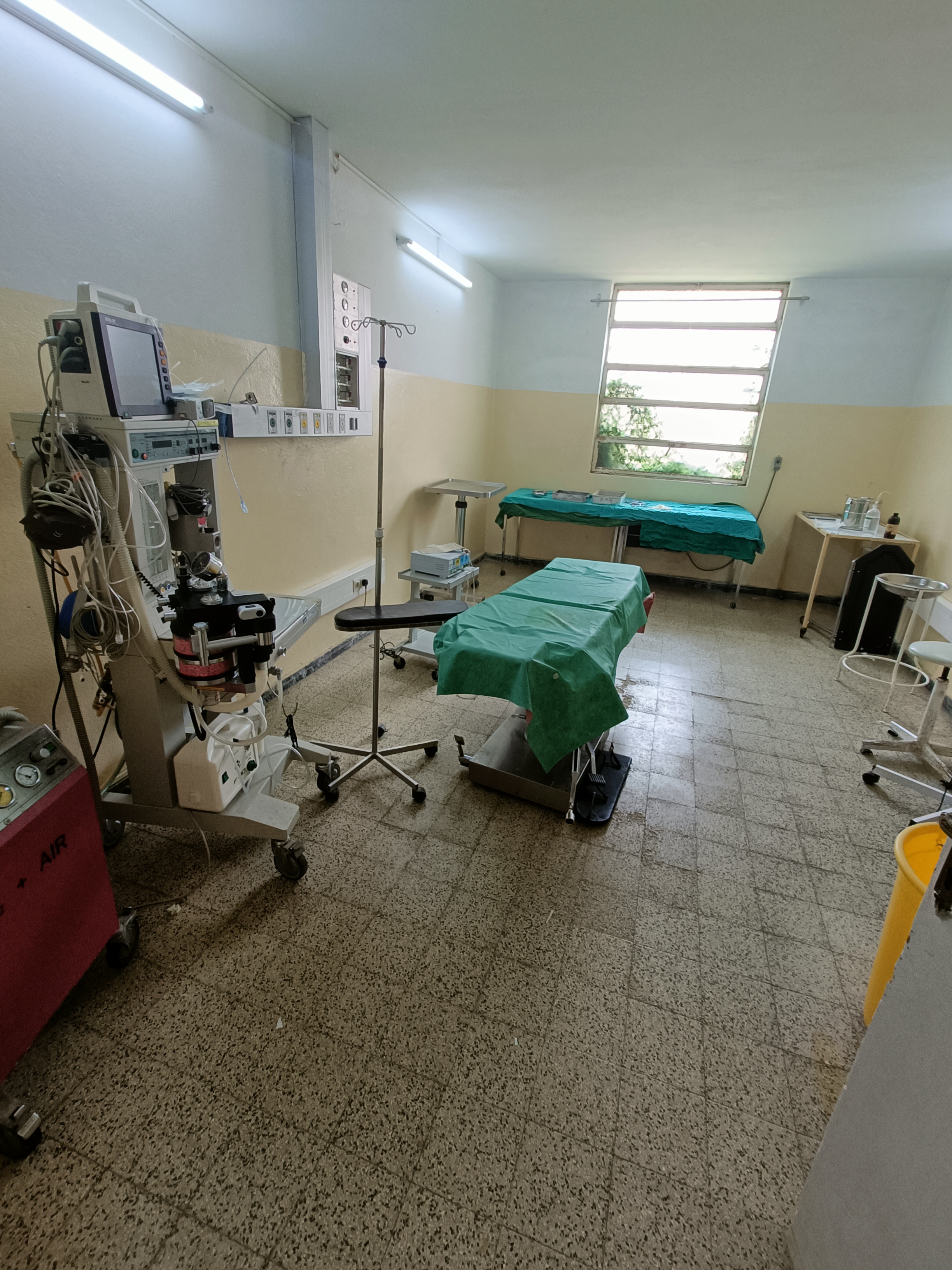
I expected difficulty. I expected limited resources, improvised solutions, the friction of working in a context stripped of the infrastructure I rely on in Rome. I expected all of that — and I was not wrong. The Halibet National Referral Hospital in Asmara is little more than a structure adapted into a hospital. Basic equipment. Worn walls. A single operating theatre that asks everything of those who work in it.
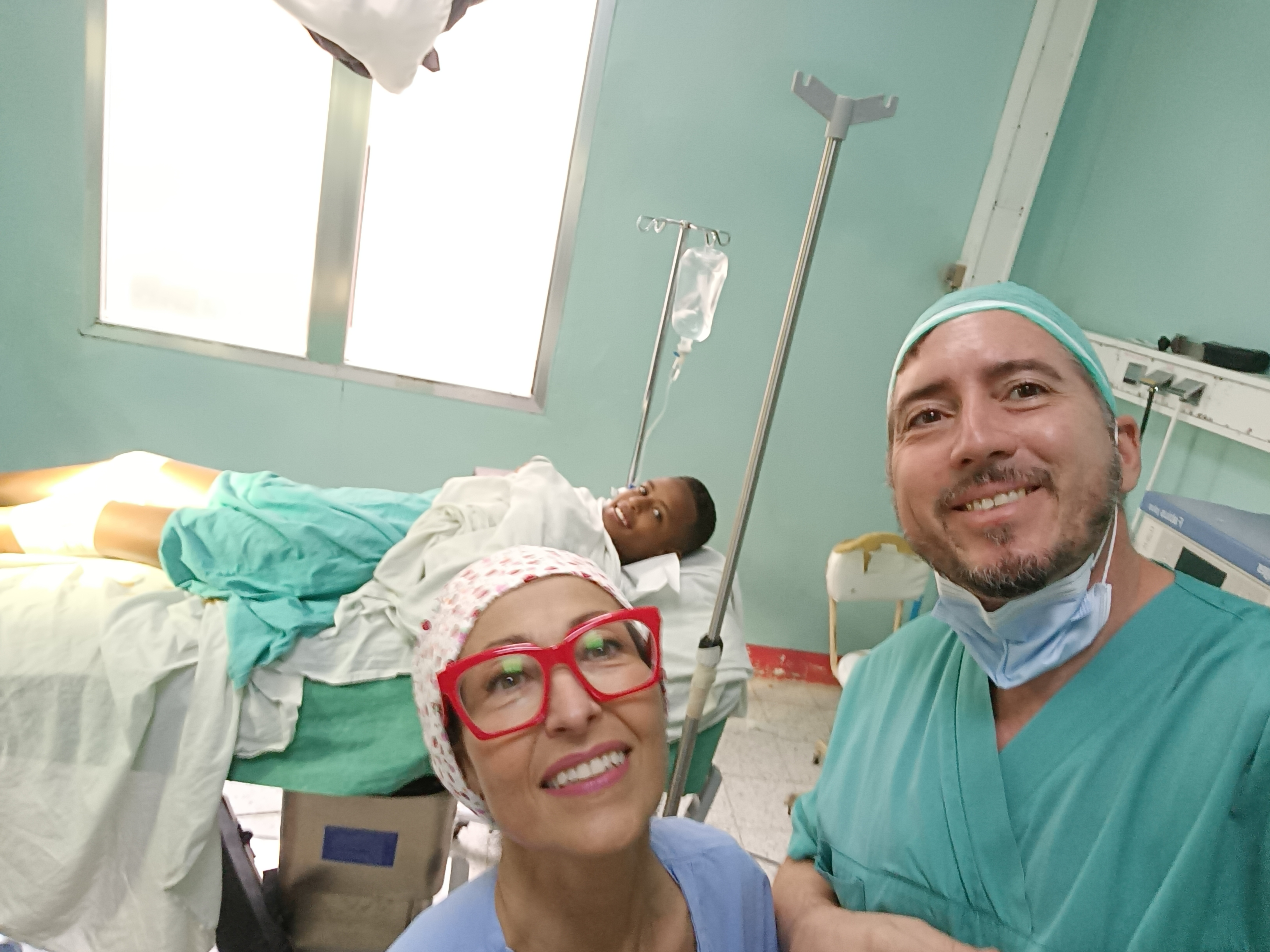
What I did not expect was the quality of the people I would work alongside. The Italian colleagues who had joined this mission were some of the finest human beings I have encountered in my professional life — a combination of technical skill and moral depth that is genuinely rare. In Rome, in the pressured rhythms of a university hospital, you sometimes forget that medicine can feel like this.
And then there was Eritrea itself. A country frozen in time, like a photograph from the 1950s. Austere. Proud. Strangely beautiful in its stillness. A place where very little has changed on the surface for decades, and yet underneath there is a vitality, a participation, a desire to learn and to do that you feel immediately in the operating room, in the wards, in every exchange with the local staff.
The moments I carry home.
The difficult moments were many and none. When resources are scarce, you adapt. When the equipment is not what you are used to, you find another way. That is the job — it has always been the job. What you cannot prepare for is what the constraints teach you about yourself.
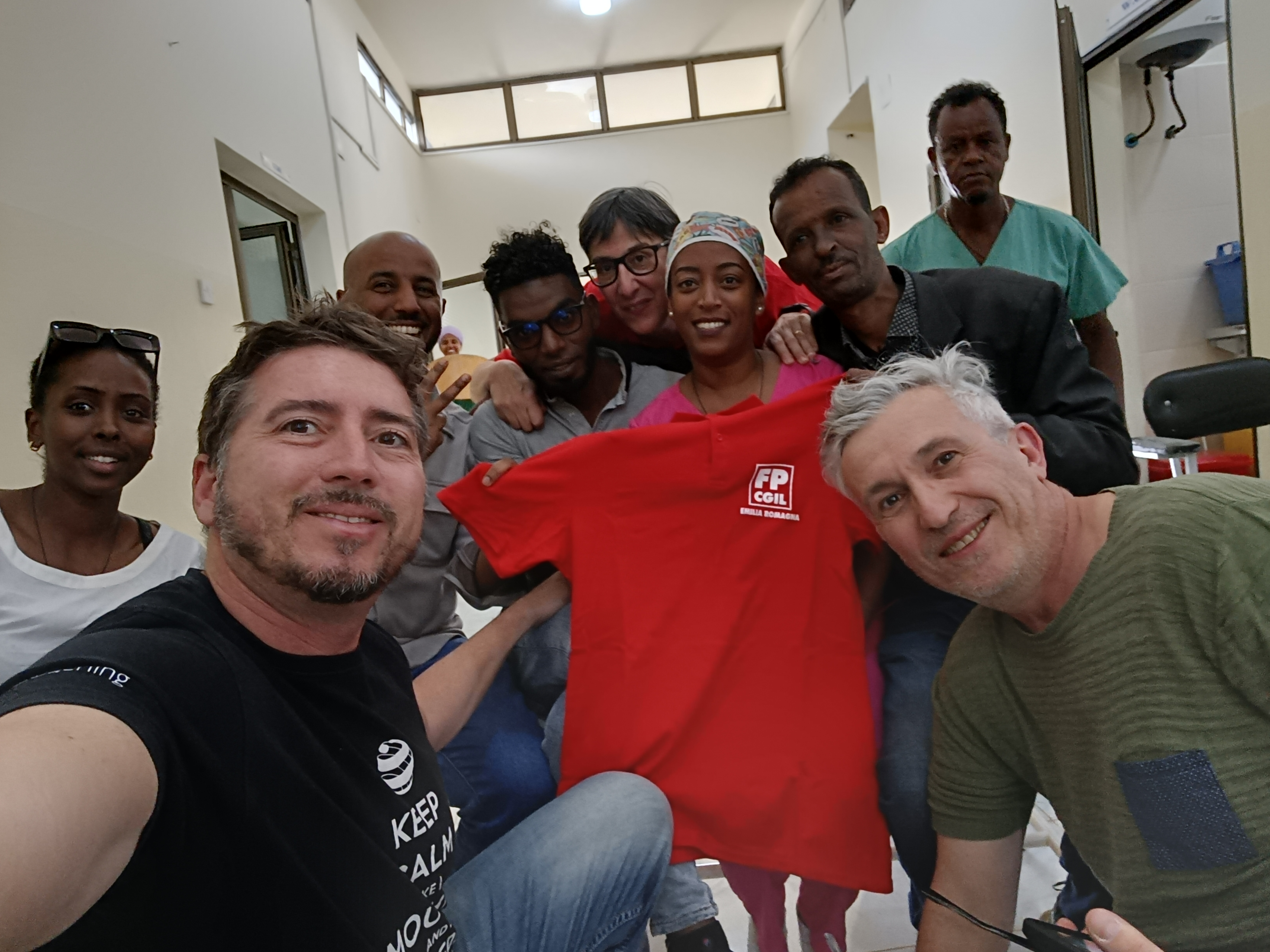
The beautiful moments were the children. Always, in the end, it comes back to the children. A child who has undergone complex surgery and smiles at you from a chair in a hallway. Not because everything is fine — things are rarely entirely fine — but because someone came, someone looked, someone acted. That smile is not gratitude. It is recognition. It says: I existed, and you saw me.
People had walked hundreds of kilometres — on foot — to see us. That is not a figure of speech. Hundreds of kilometres. To reach a visiting surgical team at a referral hospital in Asmara. I think about that often, back in Rome, when I am frustrated by small things. I think about that walk, and everything re-calibrates.
Medicine, at its core, is not a transaction. It is a covenant. And sometimes it takes going very far away to remember that.
Eritrea, December 2026.
We stayed in contact. The team has continued its work. They proposed a return mission for December 2026 — and my answer was immediate. I am going back. Not because I feel I have something to prove, or because the first time was difficult and I need to resolve it. I am going back because I want to experience this again with greater awareness, greater preparation, and the knowledge of what we can actually build together with continuity.
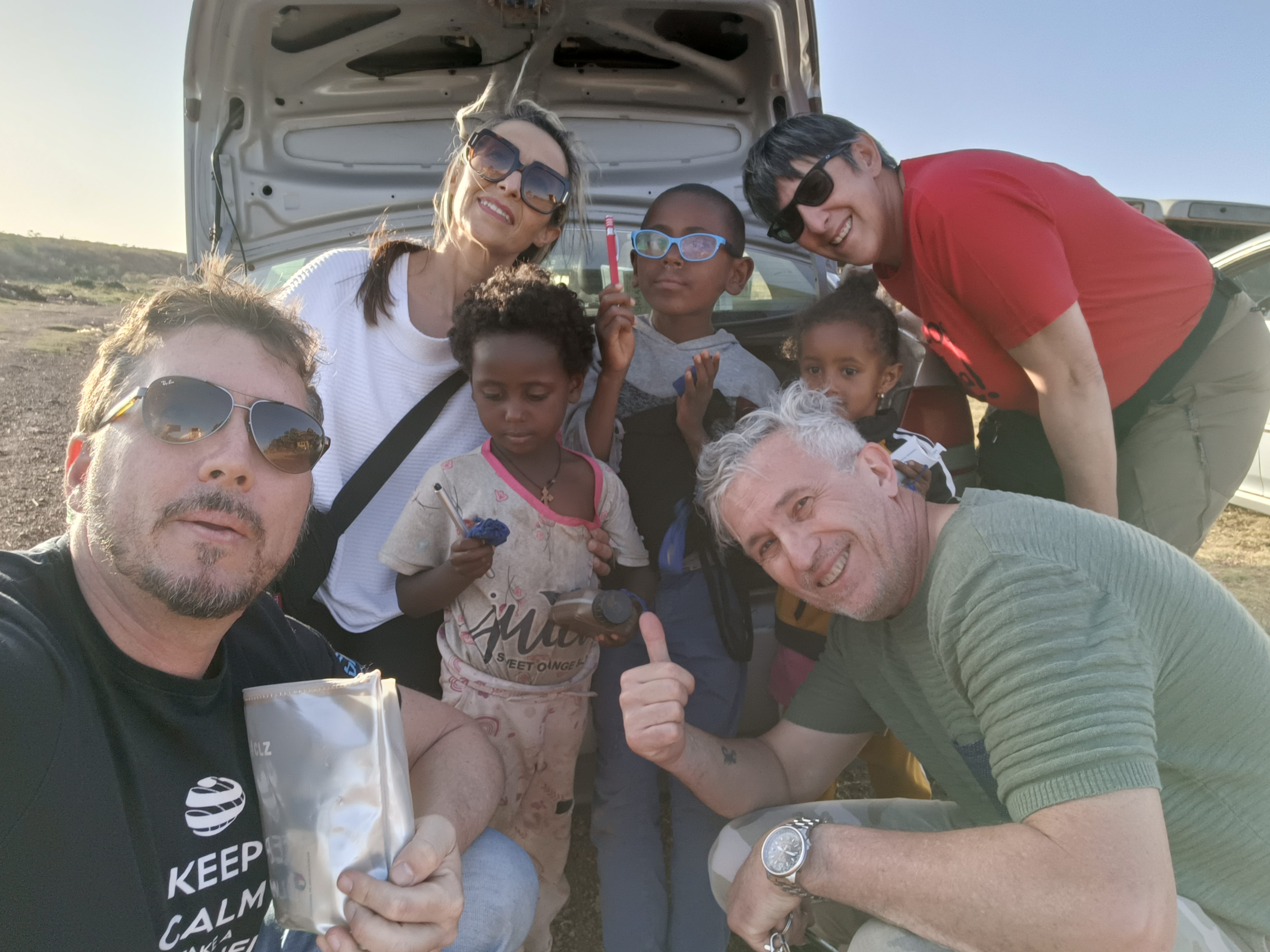
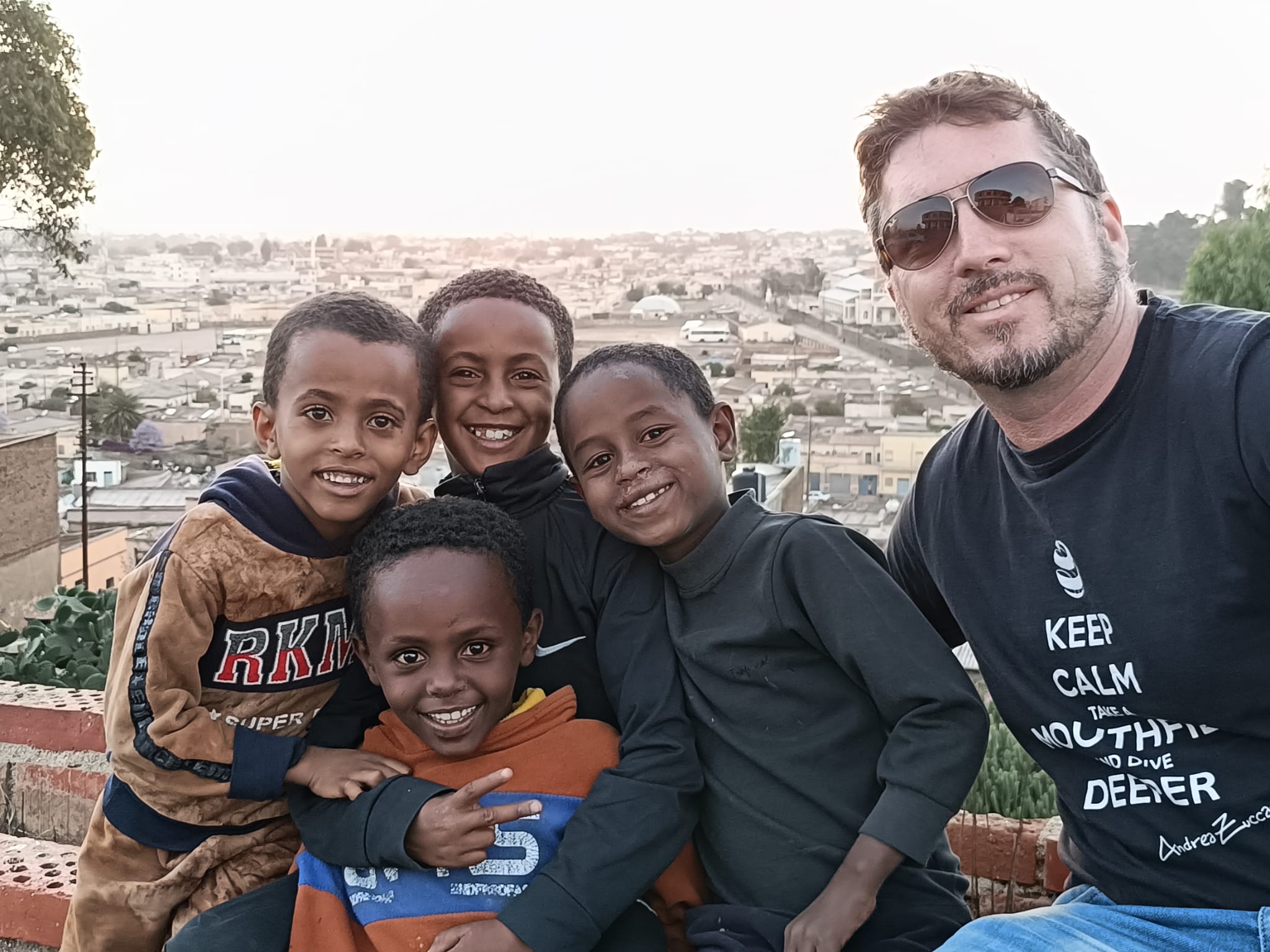
The people I worked with in March 2025 are people of extraordinary moral calibre. That is not a phrase I use lightly. It is a description. And finding them — in a country most people could not place on a map, in a hospital that asks everything of everyone inside it — was one of the unexpected gifts of this experience.
What it brought back to Rome.
I returned to Sant'Andrea, to my university clinics, to my research, to the world of conferences and publications and grant applications — and something had shifted. Not dramatically. Not in a way that anyone around me would necessarily notice. But I see my work differently now. I see my patients differently.
I see the families who travel from across Italy to bring a child with a complex condition to Rome, and I think of the families in Eritrea who walked for days. The geography changes. The weight of the journey does not.
Fifty years old. I turned fifty in 2025 — the year I operated in a theatre with peeling walls in Asmara, taught a young orthopaedic surgeon how to approach a case he had never seen, and sat on a step outside the hospital with a small girl who had just woken from anaesthesia and was looking at the sky.
I could not have planned a better gift.
For people who never give up.
— Zero Fail Mission
Era il mio quarantanovesimo compleanno. Stavo seduto da qualche parte in silenzio, e il pensiero è arrivato senza essere invitato: l'anno prossimo faccio cinquanta. Non volevo una festa. Non volevo una celebrazione nel senso convenzionale. Volevo qualcosa a cui poter guardare indietro. Qualcosa che rispondesse alla domanda che mi stavo ponendo: cosa, in questi quarantanove anni, è davvero degno di essere celebrato?
La risposta è arrivata in fretta. Il mio lavoro di chirurgo. I bambini. Le famiglie. La sala operatoria. È quello che avevo costruito. Allora la domanda è diventata un'altra: come lo onoro?
Ho deciso di farmi il regalo che avevo sempre voluto ma per cui non avevo mai trovato il tempo — portare le mie mani e le mie conoscenze dove erano davvero necessarie.
Quella stessa sera, il giorno del mio compleanno, ho aperto un browser e ho cercato. E nel modo particolare in cui le cose significative a volte si annunciano nel momento giusto, l'ho trovato: un progetto di Annulliamo la Distanza, una missione chirurgica e di insegnamento in Eritrea, in ortopedia pediatrica — esattamente il mio campo — che stava per partire. Ho chiamato il giorno stesso.
Cosa mi aspettavo. Cosa ho trovato.
Mi aspettavo difficoltà. Mi aspettavo risorse limitate, soluzioni improvvisate, l'attrito di lavorare in un contesto spoglio di tutto ciò su cui mi appoggio a Roma. Me lo aspettavo — e non mi sbagliavo. L'Halibet National Referral Hospital di Asmara è poco più di una struttura adattata a ospedale. Attrezzature essenziali. Muri consumati. Una sola sala operatoria che chiede tutto a chi ci lavora dentro.
Quello che non mi aspettavo era la qualità delle persone che avrei trovato al mio fianco. I colleghi italiani che avevano scelto questa missione erano alcuni degli esseri umani più preziosi che abbia incontrato in tutta la mia vita professionale — una combinazione di competenza tecnica e profondità morale che è genuinamente rara. A Roma, nei ritmi pressanti di un ospedale universitario, a volte si dimentica che la medicina possa fare questo effetto.
E poi c'era l'Eritrea. Un paese fermo nel tempo, come una fotografia degli anni Cinquanta. Austero. Dignitoso. Stranamente bello nella sua immobilità. Un posto dove molto poco è cambiato in superficie per decenni, eppure dentro c'è una vitalità, una partecipazione, una voglia di fare e di imparare che senti immediatamente — in sala operatoria, nei reparti, in ogni scambio con lo staff locale.
I momenti che porto a casa.
I momenti difficili erano tanti e nessuno. Quando le risorse scarseggiano, ti adatti. Quando le attrezzature non sono quelle a cui sei abituato, trovi un altro modo. È il lavoro — è sempre stato il lavoro. Quello per cui non puoi prepararti è ciò che i limiti ti insegnano su te stesso.
I momenti più belli erano i bambini. Sempre, alla fine, si torna ai bambini. Un bambino che ha affrontato un intervento complesso e ti sorride da una sedia in un corridoio. Non perché tutto vada bene — le cose vanno raramente del tutto bene — ma perché qualcuno è venuto, qualcuno ha guardato, qualcuno ha agito. Quel sorriso non è gratitudine. È riconoscimento. Dice: sono esistito, e tu mi hai visto.
Alcune famiglie avevano camminato per centinaia di chilometri — a piedi — per arrivare fino a noi. Non è una figura retorica. Centinaia di chilometri. Per raggiungere un team chirurgico in visita all'ospedale di riferimento di Asmara. Ci penso spesso, tornato a Roma, quando mi frustra qualcosa di piccolo. Penso a quella camminata, e tutto si ricolloca.
La medicina, nella sua essenza, non è una transazione. È un patto. E a volte bisogna andare molto lontano per ricordarselo.
Eritrea, dicembre 2026.
Siamo rimasti in contatto. Il team ha continuato il suo lavoro. Mi hanno proposto una missione di ritorno a dicembre 2026 — e la mia risposta è stata immediata. Ci torno. Non perché senta di dover dimostrare qualcosa, o perché la prima volta sia stata difficile e debba risolverla. Ci torno perché voglio vivere questa esperienza di nuovo con maggiore consapevolezza, maggiore preparazione, e la conoscenza di ciò che possiamo davvero costruire insieme con la continuità.
Le persone con cui ho lavorato nel marzo 2025 sono persone di straordinario spessore morale. Non è una frase che uso alla leggera. È una descrizione. E trovarle — in un paese che molti non saprebbero indicare su una cartina, in un ospedale che chiede tutto a chi ci lavora dentro — è stato uno dei doni inaspettati di questa esperienza.
Cosa ha portato a Roma.
Sono tornato al Sant'Andrea, alle mie cliniche universitarie, alla ricerca, al mondo dei congressi e delle pubblicazioni e delle domande di grant — e qualcosa era cambiato. Non in modo drammatico. Non in un modo che chi mi sta intorno avrebbe necessariamente notato. Ma vedo il mio lavoro in modo diverso. Vedo i miei pazienti in modo diverso.
Vedo le famiglie che viaggiano da tutta Italia per portare un figlio con una condizione complessa a Roma, e penso alle famiglie eritree che hanno camminato per giorni. La geografia cambia. Il peso del viaggio no.
Cinquant'anni. Li ho fatti nel 2025 — l'anno in cui ho operato in una sala con i muri scrostati ad Asmara, insegnato a un giovane chirurgo ortopedico come affrontare un caso che non aveva mai visto, e mi sono seduto su uno scalino fuori dall'ospedale con una bambina che si stava svegliando dall'anestesia e guardava il cielo.
Non avrei potuto programmare un regalo migliore.
Per chi non si arrende mai.
— Zero Fail Mission
Annulliamo la Distanza · ANLADI
L'associazione che ha reso possibile questa missione. ANLADI organizza interventi chirurgici e programmi di formazione medica nei paesi a risorse limitate, con l'obiettivo di costruire competenze locali durature.
Scopri ANLADI → annulliamoladistanza.org